Extra 10% Off Orders above ₹2499 : Use Code: HUP10
Safest Comfort Helmet for Kids
Free Shipping | 7-Day Free Returns
Lifetime Warranty*
COD Available

by Basit Manzoor
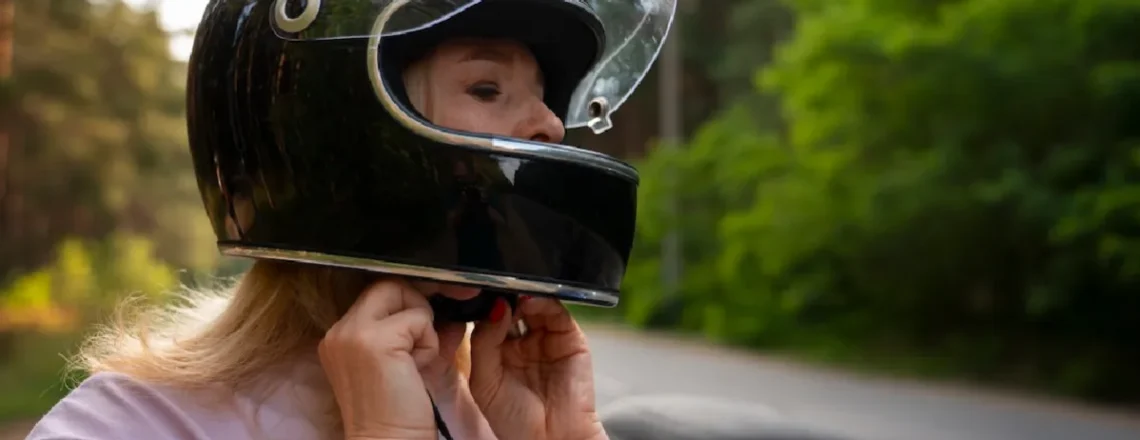
Protective helmets are crucial for safeguarding our heads during activities like cycling, motorcycling, skateboarding, and more. Even though helmets are designed to be long-lasting, they can still be damaged over time due to wear and tear, impacts, or exposure to certain elements. It’s important to know when to replace a helmet to ensure ongoing safety. In this blog post, we will discuss the key signs that indicate it’s time to get a new helmet.
Read More: Tips for Kids Riding Bicycle: A Beginner’s Guide
Here are the key indicators that signal when it’s time to replace your helmet to ensure maximum safety and protection:
Helmets have a recommended lifespan, typically ranging from 3 to 5 years, depending on the manufacturer and helmet type. After this period, the helmet’s materials may degrade, reducing its effectiveness in absorbing impacts. Refer to the manufacturer’s guidelines for specific recommendations regarding your helmet’s lifespan.
Inspect your helmet regularly for visible signs of damage. Cracks, dents, or any other structural damage can significantly weaken the helmet’s protective capabilities. If you notice any such damage, replacing the helmet is essential, even if it’s within the recommended lifespan.
Helmets are designed to absorb the force of a single impact effectively. If you have been involved in a significant collision or accident where the helmet protected your head, it is crucial to replace it, even if no visible damage is present. The internal foam lining might have compressed or absorbed the impact, rendering it less effective for future use.
A well-fitting helmet is crucial for optimal protection. Over time, the interior padding may deteriorate or lose its shape, leading to an improper fit. If your helmet no longer fits securely on your head or feels uncomfortable, it’s time for a replacement. A loose or ill-fitting helmet will not provide adequate protection in an accident.
Exposure to extreme temperatures, sunlight, and certain chemicals can degrade the materials of the helmet, compromising its integrity. It may reduce its effectiveness if you frequently leave your helmet in a hot car or expose it to harsh chemicals. Store your helmet in a cool, dry place, and avoid exposure to prolonged sunlight or chemicals.
Safety standards and regulations for helmets are continually evolving. New technologies and improved design features are incorporated to enhance protection levels. If your helmet is outdated and doesn’t comply with the latest safety standards, it is advisable to replace it with a newer model that meets the current requirements.
Read More: Why do Kids Need Bicycle Helmets? The Real Benefits Explained!
Replacing a helmet at the right time ensures optimal safety. Regularly inspect your helmet for visible damage, consider its age, and pay attention to fit and comfort. Remember that even if there is no visible damage, a helmet involved in a significant impact should be replaced. Prioritize your safety and stay up to date with the latest safety standards. Doing so ensures that your helmet remains an effective and reliable protective gear, minimizing the risk of head injuries during various activities.
If you’re looking for a safe, secure, and attractive Helmet for your kids, then Headzup is the right place for you. We have the best kids’ helmets for cycling and skating.
 27 August 2025
While outdoor sports like cycling, skating, and skateboarding are often celebrated for building physical fitness...
 25 August 2025
There’s a special kind of happiness that lights up a kid’s face the moment they...
 23 August 2025
Learning road safety is the most important skill to acquire before learning how to ride...
 21 August 2025
Riding a bicycle for the first time is often considered an adventurous and amazing milestone...
FIND WHAT MOVES YOU
FIND WHAT MOVES YOU
FIND WHAT MOVES YOU
FIND WHAT MOVES YOU
FIND WHAT MOVES YOU
FIND WHAT MOVES YOU