Extra 10% Off Orders above ₹2499 : Use Code: HUP10
Safest Comfort Helmet for Kids
Free Shipping | 7-Day Free Returns
Lifetime Warranty*
COD Available


by Basit Manzoor
Safety should always be the top priority when it comes to helmet usage. Although helmets provide protection, they degrade over time with frequent use. Like any other equipment, they have a limited lifespan and thus need to be replaced every few years. Knowing when to replace them is crucial for your safety. Let’s look into signs of when you need to replace your helmet and invest in a new one.
Before we examine signs that your helmet has retired, let’s examine the materials that go into making a helmet.
The outer shell of a helmet is made of materials like polycarbonate, fiberglass, and durable plastic. These are some of the sturdiest materials you can find. The shell acts as the helmet’s armor, taking the brunt of any impact and protecting your head from fatal injuries.
On the inner part of the helmet, you’ll find foam padding made from EPS (expanded polystyrene) or similar materials. This acts like a shock absorber, cushioning your head when things get bumpy.
There is another comfy inner lining. This lining is usually made of soft fabric that absorbs sweat and other moisture to keep your head dry and comfortable during your ride. By absorbing perspiration, the inner lining helps to maintain hygiene and prevents unpleasant odors from developing inside the helmet.
Read More: Tips for Kids Riding Bicycle: A Beginner’s Guide
Here is when you should consider getting a new helmet to ensure optimal safety and performance:
Take a good look at your helmet. Did you find any visible signs of wear and tear on the outer shell? Are there any cracks or dents that make your helmet look like it has seen better days? If you do find it, that’s a clear indicator that your helmet’s structural integrity is compromised. Even minor damage can significantly weaken the helmet’s ability to protect you during an impact. It’s time to thank it for its service and move on to a new, improved model that will have your back (or head) when needed.
It’s time for a strap check! Are your helmet straps worn out, damaged, or not working? We all know that feeling when you buckle up and the straps feel loose. This means the helmet no longer fits your head and is less likely to stay intact during an impact. This is one of the signs to replace your helmet with a new one that can strap in for the ride.
The foam padding inside the helmet is an excellent shock absorber during an impact. Inspect the inner layer for signs of deterioration, like chipping off the inner lining and padding. Give that foam padding a gentle squeeze. Is it crumbling, squished in odd places, or losing its bounce? This is not a good sign. This inner padding is essential to a helmet; if worn out, it is a clear sign of replacement.
A helmet should perfectly fit your head to protect you if you get into an accident. Remember when your helmet fits you like a glove or a perfectly snug cap? Well, if it loosens, shakes, or slides off your head despite you tightening the straps, it’s time to face the music—your helmet isn’t fitting properly. A loose-fitting helmet can shift during an impact, reducing its effectiveness. This is one of the clear signs that you should replace your helmet and get a new one that fits you comfortably.
If your helmet has been through an accident or a gnarly impact, it’s time to face the truth—it must be replaced. Helmets are like one-hit wonders; they give it their all during a crash or significant impact, absorbing the impact and protecting your precious head. Even if there’s no visible damage, the internal structure might have suffered, making it less effective in future accidents. So, when your helmet has played its part in saving you, let it retire and get a new one.
Read More: Should You Replace Helmet After a Crash? Let’s Learn!
Helmets have a limited shelf-life. Even if you don’t notice the signs listed above, you should replace your helmet according to the recommendations of the manufacturer, or the general rule of thumb is to replace helmets every five years. Are you wondering why five years? Well, after five years of consistently wearing your helmet, even if it is as shiny and cool as the day you first wore it, the structure of the helmet would have weakened, making it less effective during an impact. Helmets deteriorate over time as they are constantly exposed to UV rays, dirt, and other materials. If you frequently use your helmet in extreme weather conditions like intense heat or constant rain, it may experience accelerated deterioration. Thus, replacing a helmet after every five years is important.
Helmets can get sweaty and accumulate odors over time, especially if used frequently. If the helmet’s inner lining is hard to clean, it might have become a breeding ground for bacteria after a few years of constant use. If no clean air or deodorizing spray can rid your helmet of that funky scent, it may signal that it’s time to replace it.
When you properly store and maintain your helmet, it will last a while. But you cannot keep it forever. Remember to check for signs of wear and tear, check those straps, inspect the padding, ensure a proper fit, and heed the manufacturer’s recommendations. Your head deserves the best protection, and by retiring your old helmet and welcoming a new one, you’re ensuring safety and style go hand in hand. Newer helmets often incorporate improved safety features and technology that enhance protection, making regular replacement important; moreover, various styles of helmets, from sleek and minimalist designs to bold and vibrant patterns, are now available to choose from. So, throw that retirement party for your trusty headgear and get yourself a new helmet, buddy. Ride safe!
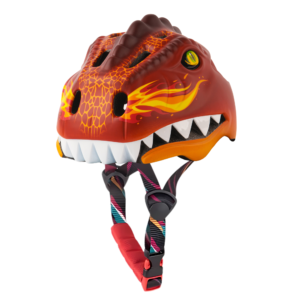
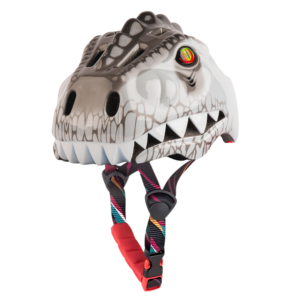
If you’re looking for a safe, secure, and attractive Helmet for your kids, then Headzup is the right place for you. We have the best kids’ helmets for cycling and skating.
 27 August 2025
While outdoor sports like cycling, skating, and skateboarding are often celebrated for building physical fitness...
 25 August 2025
There’s a special kind of happiness that lights up a kid’s face the moment they...
 23 August 2025
Learning road safety is the most important skill to acquire before learning how to ride...
 21 August 2025
Riding a bicycle for the first time is often considered an adventurous and amazing milestone...
FIND WHAT MOVES YOU
FIND WHAT MOVES YOU
FIND WHAT MOVES YOU
FIND WHAT MOVES YOU
FIND WHAT MOVES YOU
FIND WHAT MOVES YOU