
Extra 10% Off Orders above ₹2499 : Use Code: HUP10
Safest Comfort Helmet for Kids
Free Shipping | 7-Day Free Returns
Lifetime Warranty*
COD Available

by Basit Manzoor
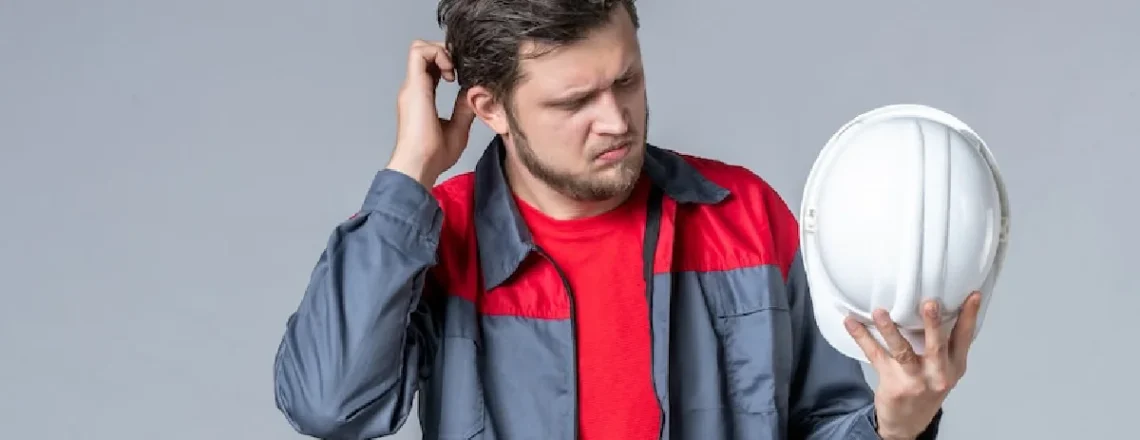
Helmets, like any other protective gear, are not meant to last indefinitely. They undergo wear and tear, affecting their structural integrity and ability to safeguard your head. The consensus among helmet manufacturers and safety experts is that helmets should be replaced every five years, regardless of whether they have been involved in an accident. This guideline is based on the understanding that helmet materials and designs can degrade over time, reducing their effectiveness.
It is important to note that helmets have a finite lifespan due to several factors, such as the deterioration of foam liners, the weakening of the shell, and the degradation of adhesives used in the construction. Additionally, advancements in helmet technology and safety standards continually evolve, rendering older helmets less effective than their newer counterparts.
Read More: Top 10 Questions About Kids’ Bicycle Helmets (Answered!)
Here is how to identify the need for helmet replacement to ensure continued safety and protection while riding.
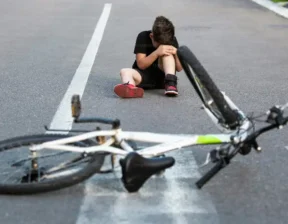
A helmet’s primary function is to absorb impact and protect your head from injuries. In the event of a significant accident or a severe impact, it is crucial to replace your helmet immediately, even if there are no visible cracks or damage on the outside. The helmet’s internal structure could be compromised, diminishing its ability to provide adequate protection.
The force of an impact can cause microscopic damage to the helmet’s materials, which may not be visible to the naked eye. Therefore, it is essential to err on the side of caution and replace a helmet that has been involved in a significant impact. Remember, the helmet’s effectiveness in future accidents depends on its structural integrity, which can be compromised after a severe impact.
Read More: Why Moving Matters: 4 Awesome Benefits of Physical Activity for Kids
Inspect your helmet for visible signs of wear and tear. Over time, helmets may develop cracks, dents, or deformities on the outer shell, indicating compromised structural integrity. Additionally, check the straps, buckles, and padding for signs of deterioration or damage.
If you notice any significant damage or the helmet no longer fits properly, it is crucial to replace it. A helmet that no longer fits correctly may not provide adequate protection, as it might shift or come off during an accident. Furthermore, the foam liner inside the helmet can degrade over time, losing its ability to absorb impact effectively. If you observe compressed or worn-out foam, it’s a clear indication that the helmet needs to be replaced.
Factors Affecting Lifespan Helmets are exposed to various environmental elements, including sunlight, extreme temperatures, and moisture. These factors can degrade the materials and affect the helmet’s integrity. If your helmet is excessively exposed to sunlight or if you frequently use it in extreme weather conditions, it may deteriorate faster.
Generally, helmets over five years old should be replaced, even if they appear to be in good condition. The aging process can lead to material degradation, compromising the helmet’s ability to protect your head adequately. Furthermore, if your helmet has been stored in a place with high humidity or has been exposed to chemicals, it may experience accelerated deterioration.
Following Expert Advice Always refers to the manufacturer’s guidelines and recommendations regarding helmet replacement. Different helmet brands may have specific recommendations based on the materials used, design, and intended use. These guidelines consider the specific characteristics of each helmet model and provide valuable insights into when you should consider changing your helmet.
Manufacturers conduct extensive research and testing to determine the optimal lifespan of their helmets. By following their recommendations, you can ensure that you utilize a helmet that meets the highest safety standards and provides the best possible protection for your head.
Read More: How Bicycling makes Kids Happier and Smarter?
Your safety should always be a top priority, and wearing a well-maintained, properly fitting helmet is crucial for head protection. While the general guideline suggests replacing helmets every five years, it is important to evaluate the condition of your helmet regularly. If you have been involved in a significant accident, notice visible signs of wear, or if your helmet no longer fits properly, it is time to invest in a new one. Remember, your helmet’s effectiveness depends on its structural integrity, so don’t hesitate to retire an old helmet and prioritize your safety on the road or during sporting activities.
The general recommendation is to replace your helmet every five years. This is because helmets’ materials and designs can degrade over time, reducing their effectiveness in providing protection.
Even if your helmet has never been in an accident, replacing it after five years is still recommended. Wear and tear from regular use, exposure to elements, and natural degradation of materials can compromise its ability to protect your head. It is one of the signs to change the helmet ASAP.
While proper care can help prolong your helmet’s lifespan, replacing it after the recommended period is still important. Regular inspection, cleaning, and storing it in a cool, dry place can help maintain its condition, but the internal materials can still deteriorate over time.
Minor scratches or superficial damage to the outer shell of your helmet usually do not affect its overall performance. However, if there are any visible cracks, dents, or significant damage, it is advisable to replace the helmet immediately.
If you’re looking for a safe, secure, and attractive Helmet for your kids, then Headzup is the right place for you. We have the best kids’ helmets for cycling and skating on the planet.

Your love for fairy tales now comes to reality. Available in Pink, Yellow Pink, Blue,...
Shop Now
In the loving memory of dinosaurs! Bold prehistoric designs for the kid who wants to...
Shop Now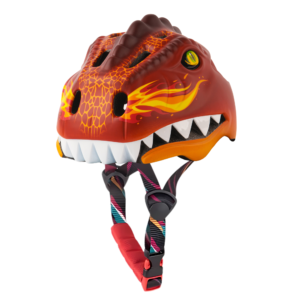
Warning: may cause extreme levels of fun. Bold, fast-looking designs for kids who ride like...
Shop Now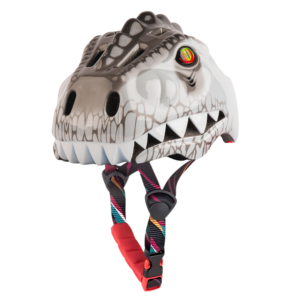
Our premium helmet with a hand-sculpted 3D dragon design. Same certified safety, exceptional artistry.
Shop Now 27 August 2025
While outdoor sports like cycling, skating, and skateboarding are often celebrated for building physical fitness...
 25 August 2025
There’s a special kind of happiness that lights up a kid’s face the moment they...
 23 August 2025
Learning road safety is the most important skill to acquire before learning how to ride...
 21 August 2025
Riding a bicycle for the first time is often considered an adventurous and amazing milestone...
FIND WHAT MOVES YOU
FIND WHAT MOVES YOU
FIND WHAT MOVES YOU
FIND WHAT MOVES YOU
FIND WHAT MOVES YOU
FIND WHAT MOVES YOU